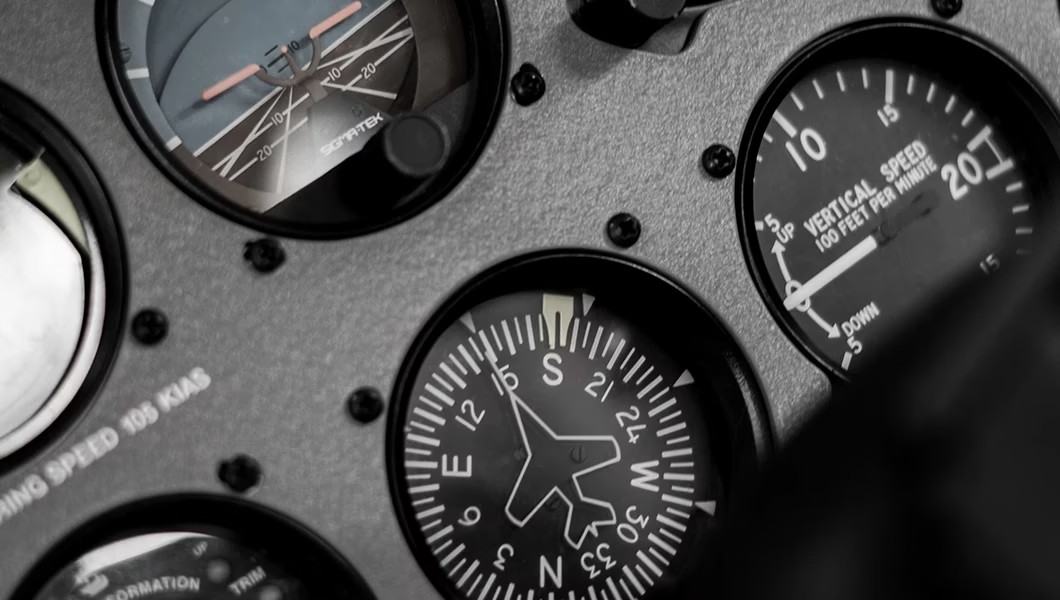
Essentially, they represent two distinct sets of piloting rules: Visual Flight Rules and Instrument Flight Rules. The choice between them for a specific flight depends primarily on your rating, weather conditions, airspace class, and, ultimately, your goal. Let’s take a closer look at these two cornerstones of aviation navigation.
VFR and IFR: Main Difference
VFR and IFR, which stand for Visual Flight Rules and Instrument Flight Rules, respectively, represent two interrelated frameworks governing pilot navigation in the skies. VFR offers the simplicity and freedom of navigating by sight, ideal in clear weather. In contrast, IFR is the choice for flying primarily by instruments, essential in poor visibility conditions, including fog, rain, or night-time operations.
Navigating a VFR flight
So what does it mean to navigate the aircraft by sight or, in other words, visually? It is when pilots use recognizable landmarks, like rivers or cities, as well as pilotage skills for navigation to technology such as GPS.
Flying under VFR conditions can be compared to going on a leisurely drive, giving pilots the freedom to choose their own route and altitude within certain airspace limitations. Unlike IFR flying, VFR pilots do not have to maintain constant communication with air traffic control and strictly adhere to a flight plan. Thus, they have more flexibility (except for controlled airspaces that may require them to do so).
Needless to say, they get many more opportunities for activities such as sightseeing or simply enjoying clear skies by flying in circles.

VFR Pilot Restrictions
Although VFR offers pilots a great deal of freedom, it is important to obey the limitations.
First and foremost, it should be noted that VFR flights can only be performed in visual meteorological conditions (VMC). VMC refers to weather conditions in which pilots have sufficient visibility and cloud clearance to operate the aircraft without relying on instruments. The table below shows the VFR minimums.
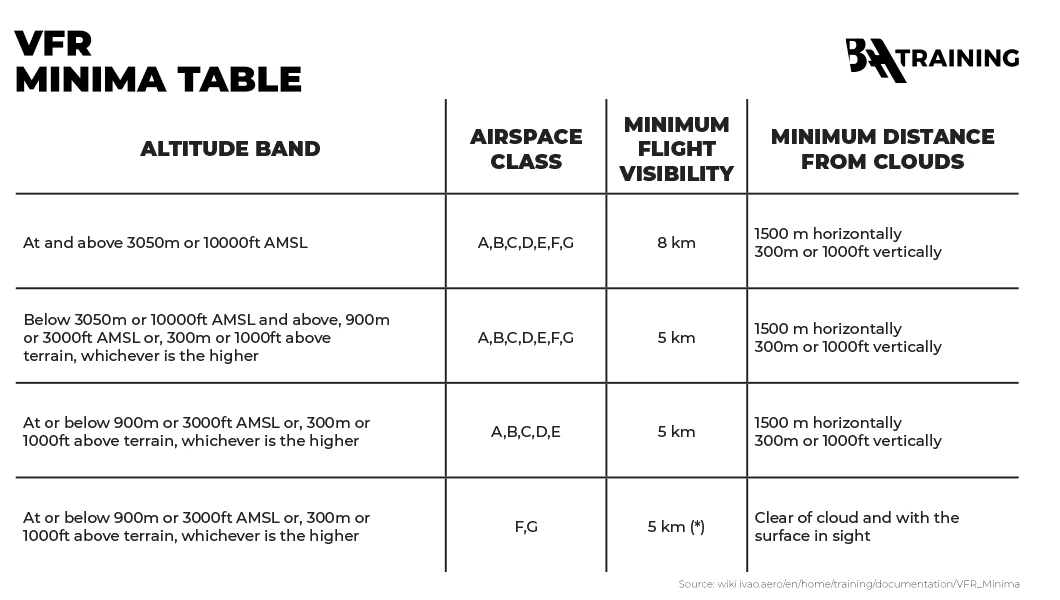
Remember – stick to VFR if you’re flying VFR! If you spot an enticing cloud that seems tempting to fly through, keep in mind that another pilot might have the same idea coming from the opposite direction.
In addition, the obligations for VFR flying include:
- Maintaining visual contact with any designated aircraft
- Being cautious regarding wake turbulence avoidance measures
- Preparing contingency plans beforehand when expecting deteriorating weather conditions
It highlights how essential it is for VFR pilots’ readiness combined with vigilance while operating an aircraft within this mode.
Navigating an IFR Flight
IFR is necessary when visibility becomes limited and outside references cannot be relied upon. It is specifically designed for conditions like fog, rain, or nighttime flights. While operating an IFR flight in Visual Meteorological Conditions (VMC) is possible, they are primarily intended for Instrument Meteorological Conditions (IMC), such as adverse weather. Also, unlike VFR, you can perform IFR flights in controlled airspace Class A (the most restrictive).
To fly an aircraft under IFR regulations, pilots must have two-way radio communication and proper navigation equipment suitable for their planned route, usually using ground-based navigational aids like VOR or GPS technology. Essential instruments include a gyroscopic rate-of-turn indicator, slip-skid indicator, a sensitive altimeter that adjusts with barometric pressure, and a clock displaying hours, minutes, and seconds along with an attitude indicator.

Filing the IFR Flight Plan
Operating an IFR flight requires pilots to possess an Instrument Rating certification and file a detailed IFR flight plan beforehand. An IFR flight plan is a crucially important and carefully planned route for all aspects of the flight, including coordination with air traffic controllers. To submit an IFR flight plan, pilots typically use approved electronic systems or platforms designated by the relevant aviation authorities. This electronic filing ensures efficient communication of the flight plan details to the appropriate Air Traffic Control (ATC) facilities.
Once the IFR flight plan is submitted, the next step involves requesting clearance using standard communication protocols. It is worth keeping in mind that weather changes can happen abruptly, from clear skies to thunderstorms. Therefore, attention should be paid closely to weather reports before flying.
Commercial Pilot Has to Fly Under IFR
In commercial aviation, the majority of an airline pilot’s responsibilities, especially during en-route portions, fall under IFR. The use of IFR ensures a high level of safety and allows for consistent operations regardless of the prevailing weather conditions. The tragic incident described below underscores the importance of adhering to the mandated IFR (Instrument Flight Rules) requirements. It serves as a critical reminder that deviating from the prescribed process can result in grievous consequences.