Mental Health in Aviation
Discussing pilot mental health brings to mind the tragic Germanwings catastrophe of 2015. On March 24th, an Airbus A320 crashed into the French Alps, resulting in the loss of 150 lives. The investigations revealed that the co-pilot, Andreas Lubitz, intentionally crashed the aircraft while the Captain was outside the cockpit.
Shockingly, it was later discovered that Lubitz had been dealing with severe depression, which he had not disclosed to anyone. This tragic event emphasized the critical importance of addressing mental health issues within the industry before they impose clear danger.
The Root Couse of Pilot Stress, Anxiety and Depression
Once the COVID-19 pandemic struck in 2020, the global commercial airline industry experienced a significant 60-80% reduction in flight operations, leaving pilots with job uncertainty, financial difficulties, a loss of purpose, isolation, and loneliness. All of that contributed to increased stress and anxiety levels.
While the industry has since stabilized, stress and anxiety persist. Why? Because flying comes not only with excitement and impressive salaries, but also a high-pressure environment, immense responsibility, managing unforeseeable scenarios, etc., which creates an almost inevitable cycle of stress and anxiety.
Interestingly, some studies revealed that short-haul pilots present the highest total and mental stress levels. It can possibly be explained by the fact that they perform more take-offs and landings per duty period than long-haul pilots, resulting in a higher workload.
But there are ways to cope with that – at least to minimize the struggle.
Explore Meditation to Improve Mental Well-being
Whether you’re an aspiring pilot, a current aviator, or simply seeking mental balance, consider incorporating deep breathing techniques, mindfulness, meditation, or yoga into your daily routine. These techniques foster relaxation, focus, and self-awareness – invaluable stress-reduction tools.
Grounded Pilot Started Flying Again Thanks to Meditation
Carl Eisen, an Airbus A300 Captain, was at the height of his career in the autumn of 2007. Having collected over 10,000 hours of experience, he confidently moved forward with his job until he visited a doctor and was diagnosed with depression, which made him grounded for a year. That’s when he found his way to mediation, and here is what he said: “I understood immediately that that’s what had been missing.” He meditated for twenty minutes a day, and after a month, his “anxiety level was almost to zero.”
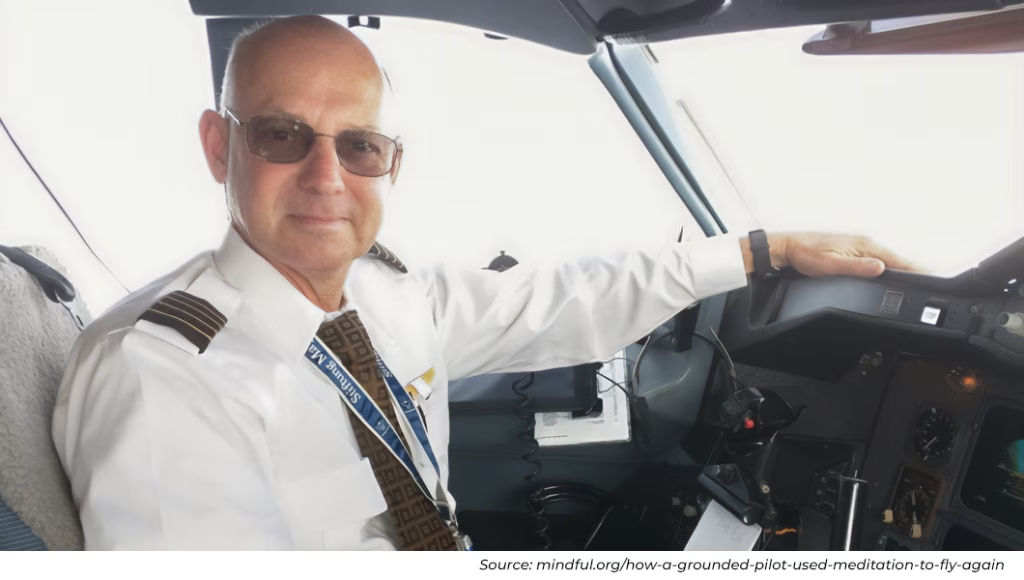
Not only did he start flying again later, but he also became a certified mindfulness teacher. He started mindfulaviator.com, an online resource that demystifies meditation and makes it accessible to airline pilots. Try this resource or refer to one of the apps below to take care for your mental health.
Download a Beneficial Meditation App
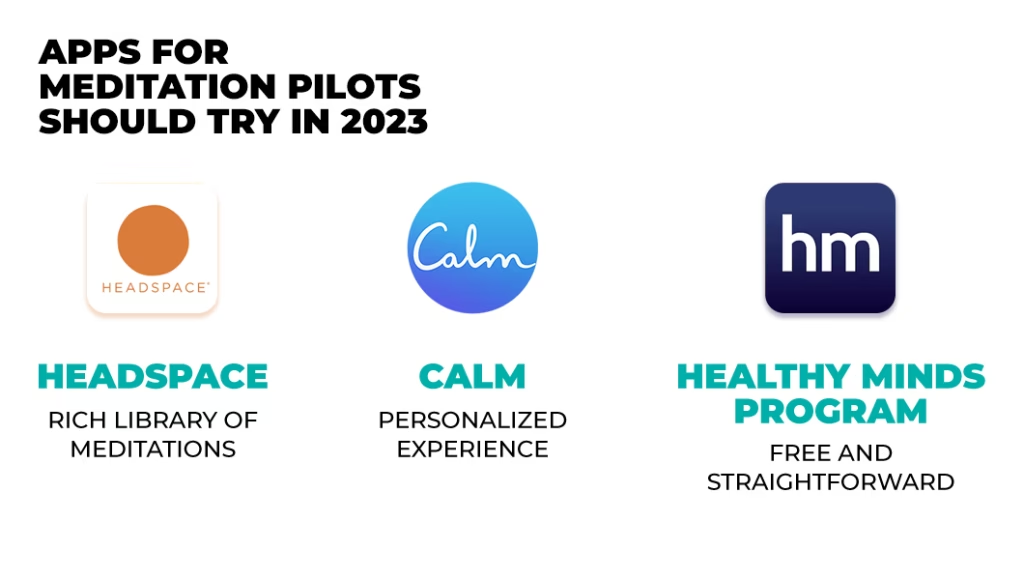
Numerous apps available for both iOS and Android have proven effective for practicing meditation and have become popular among users. Here are our top three recommendations:
Headspace
Headspace ($70 per year) presents a wide variety of choices with an excellent user interface and extensive, well-structured meditation content. The courses are easy to identify and follow, allowing you to progress gradually across multiple sessions. With this app, you can pinpoint the specific type of meditation you seek, enhancing the likelihood of maintaining your practice. Some courses equip you with tools for overall practice enhancement, while others focus on targeted solutions for issues like anxiety, patience, self-esteem, and grief, among others.