Unpredictable and extreme weather conditions
While meteorologists and aviation forecasters strive to provide up-to-date information and can predict inclement weather, unexpected changes in weather conditions can still occur.
Thunderstorms, in particular, can be highly localized and difficult to predict precisely. Important to note that it’s not the lightning (although it’s not good if you’re hit), but it’s the shifting winds, updrafts and downdrafts that can make it hard to keep the plane under control.
Pilots must rely on modern technology, advanced weather forecasting systems, onboard radar, and continuous communication with air traffic control to make informed decisions.
Delta Airlines flight 1076
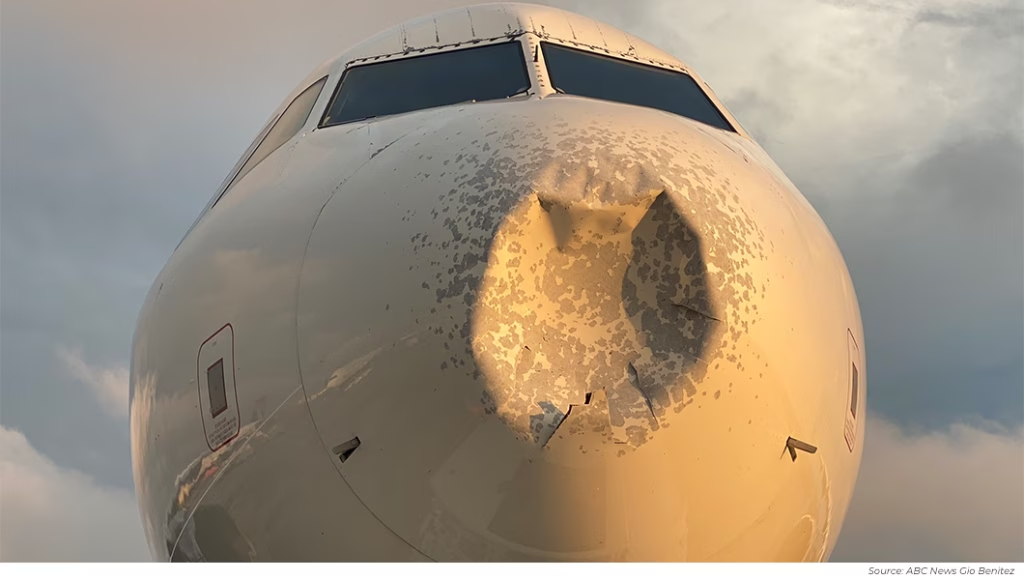
For example, in 2020, Delta Airlines 1076 flight bound for New York’s LaGuardia Airport was diverted after reported a problem with its navigation equipment. The Airbus A319, carrying 43 passengers from Palm Beach, Florida, landed safely at JFK Airport.
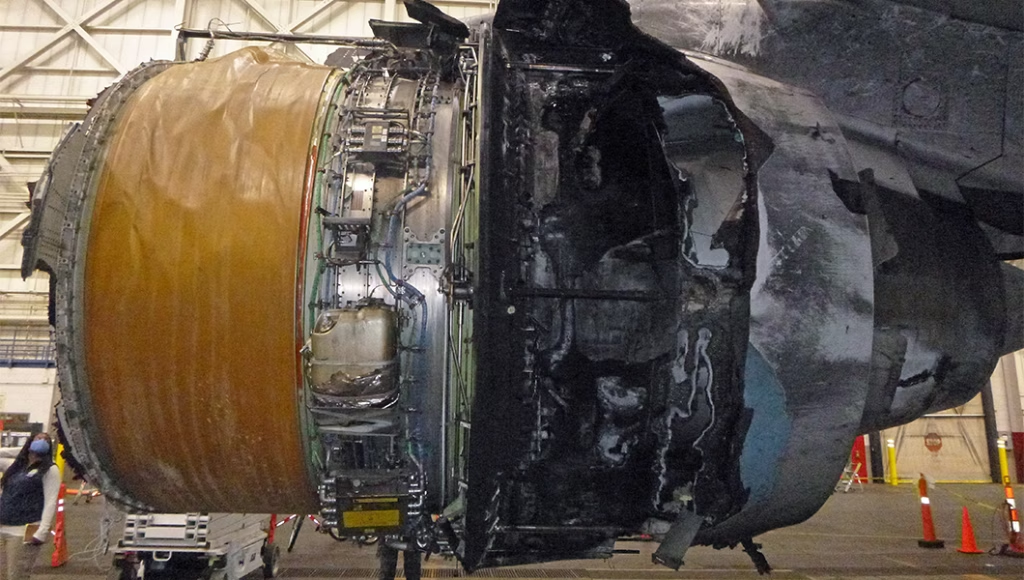
The photo below shows that the plane’s front cone was damaged. While it was initially thought a bird hit the plane, the airline later confirmed that hail damaged the nose cone.
Mountainous terrain
Another set of challenges is caused by operating in mountainous regions. Pilots must know how to deal with rapidly changing terrain and be well aware of the potential for severe turbulence caused by wind patterns interacting with the mountains. Thorough knowledge of mountain flying techniques, as well as specialized training, is mandatory for pilots in these areas.
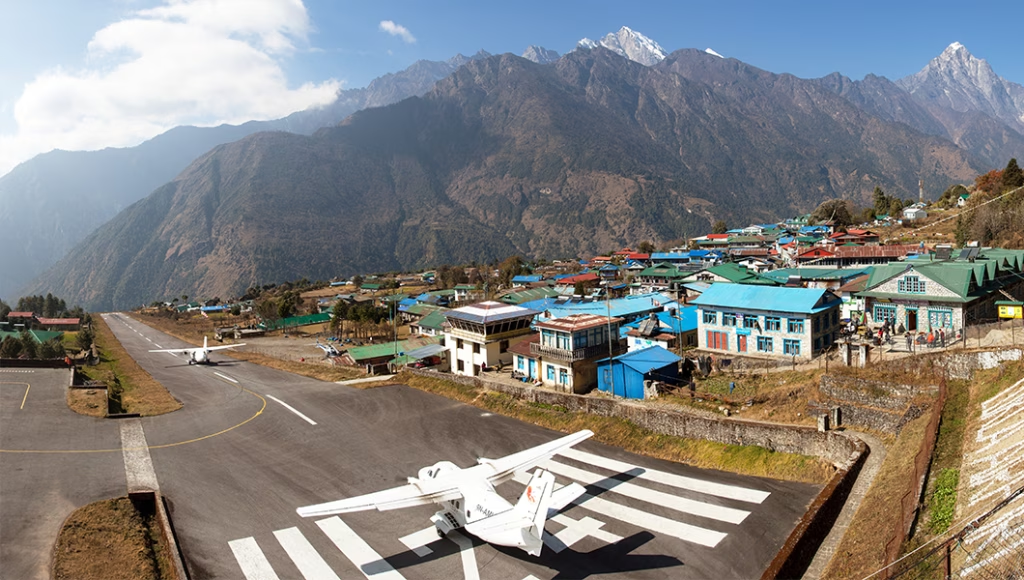
The Lukla Airport (Tenzing-Hillary Airport)
Tenzing-Hillary Airport (Lukla Airport) is a prime example of navigating through tricky mountainous terrain. The airport is located in the Everest region of Nepal, surrounded by steep mountains with a short and inclined runway. It is famous for being one of the most dangerous airports in the world.
Pilots who fly to this unusual destination undergo rigorous specialized training, equipping themselves with skills to navigate the unique Lukla’s terrain and runway. Pilots use a visual approach to land there and they have to manage altitude meticulously to ensure a safe descent, avoiding potentially hazardous terrain.
They also have to be prepared for the go-around and know which low visibility procedures to apply if there is a sudden drop to almost zero visibility. Moreover, to ensure safe takeoff and landing, pilots have to carefully calculate weight and balance due to the altitude and the runway’s limited length.
Remote areas
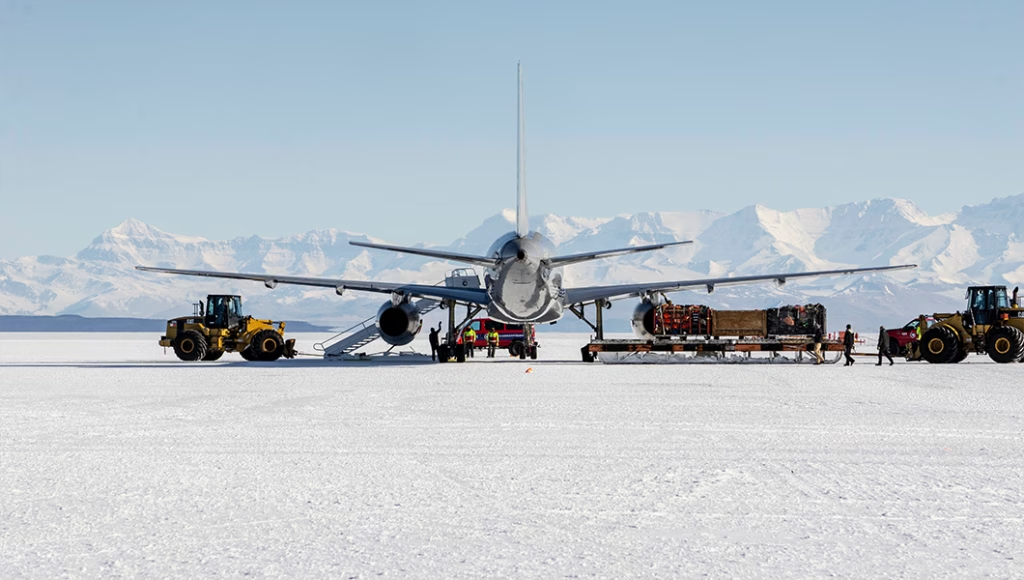
Let’s not forget some pilots also have to fly to remote locations with limited or nonexistent infrastructure, which isn’t any easier to handle than the previous two cases. Pilots may need to rely on satellite navigation systems, carry extra supplies, and be proficient in short or unpaved runway operations.
Barra Airport, Scotland
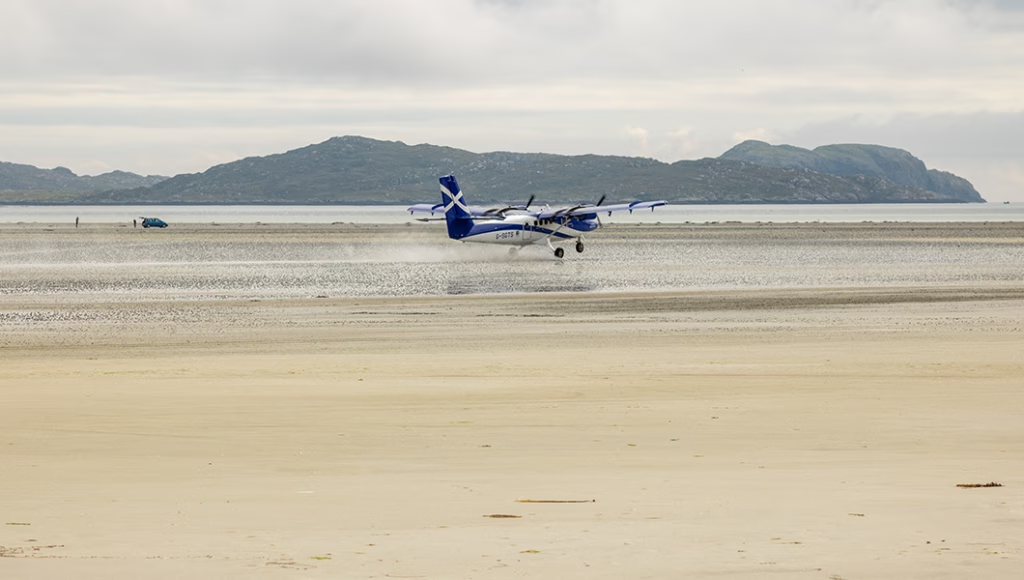
Those who have ever landed at Barra Airport, located in the Outer Hebrides of Scotland, would agree that certain aspects present challenges.
First of all, it doesn’t have a traditional runway – landings occur directly on the beach. Therefore, there are no traditional runway markings, which requires pilots to rely on satellite navigation systems and GPS for landing guidance.
Due to the airport’s location, pilots should be prepared for tides impacting runway length and the changing area suitable for landing. They have to monitor weather patterns carefully and be ready to adjust commercial flight plans accordingly.