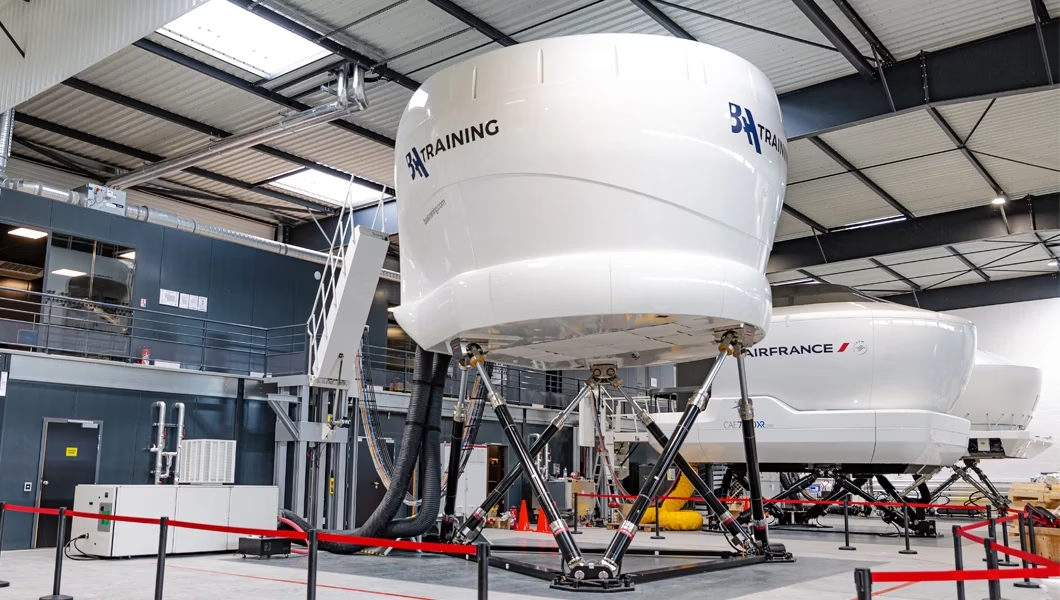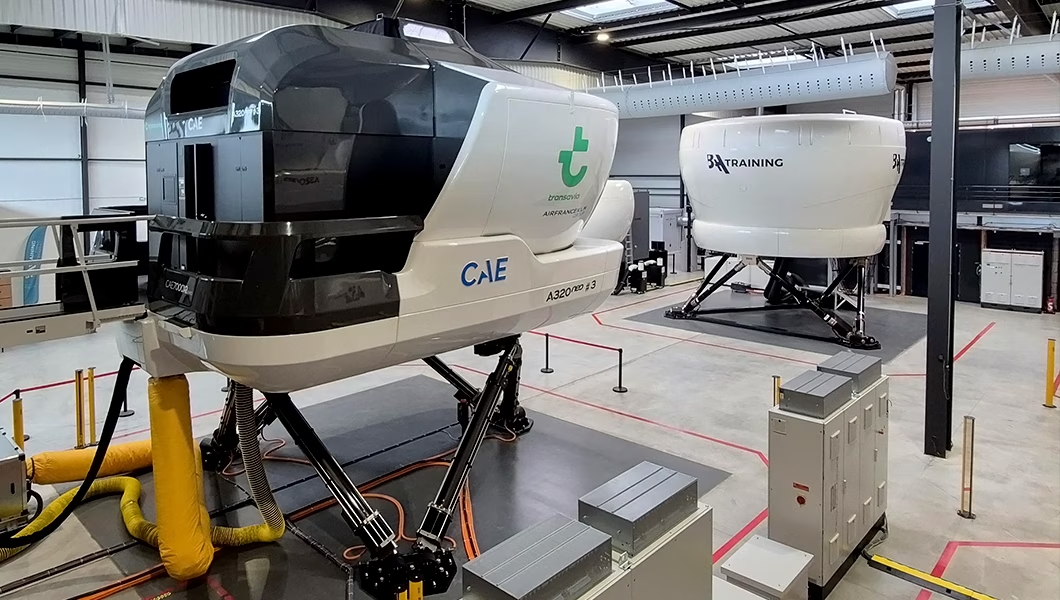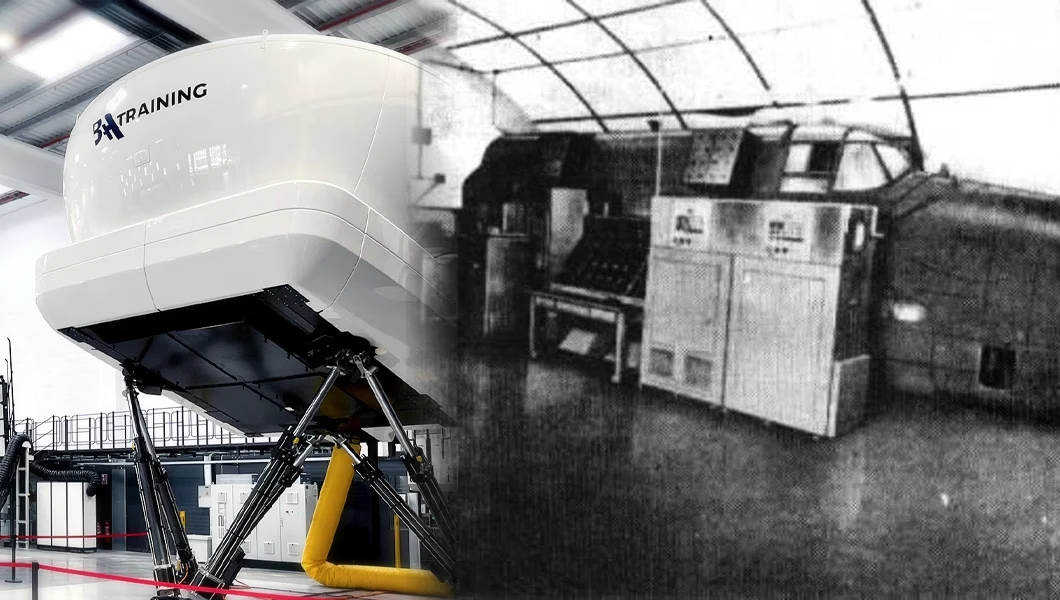
So how did the full flight simulator come to be the pinnacle of pilot training?
First flight simulator—sort of
Flying an aircraft back in the early days was a dangerous affair. Unlike current aircraft made of robust materials, the first ones were constructed of wood and fabric. For pilots, this usually meant a one-way trip. The theory of flight concepts also didn’t translate well enough from the blackboard to the act of flying, until you were actually flying. It was only natural to begin simulating in-air experiences on terra firma.
Building aircraft and taking flight was all the rage in the early 1900s. From the Wright Brothers patenting their aircraft control system in 1906 to the French gasoline engine manufacturer Antoinette dipping their toes into aircraft construction across the Atlantic the same year.
In 1909, the Antoinette company started working with the French Army to begin the first military aircraft trials by establishing a flight school and a workshop. This is where the rudimentary flight simulator was born—the Antoinette Trainer.
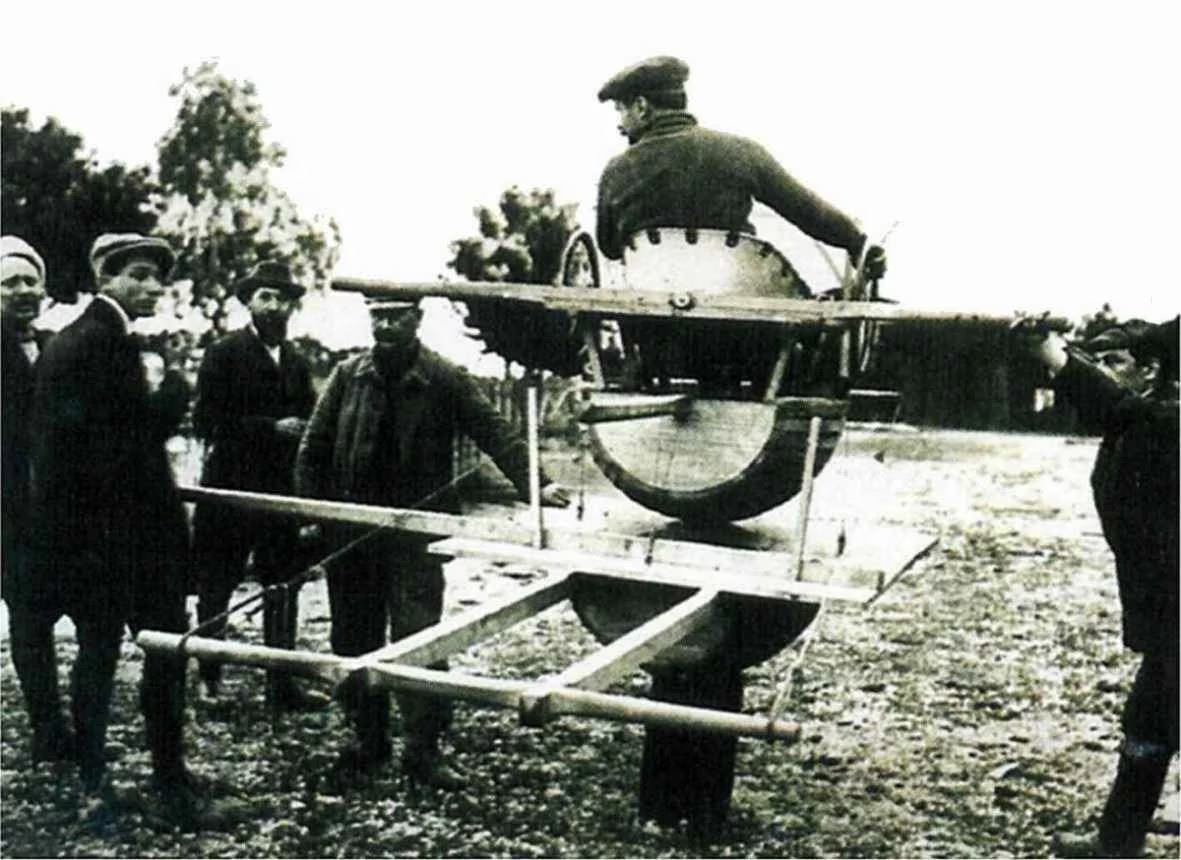
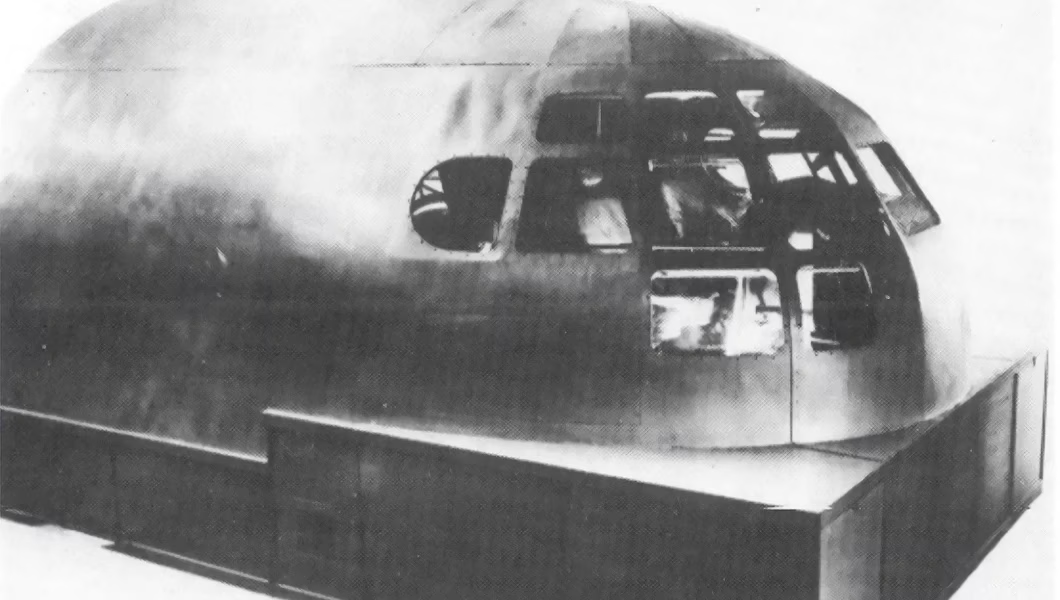
It was made from a wooden half-barrel, mounted on a universal joint, with flight controls, pulleys, and stub-wings. To operate, they needed at least two–three people on the job. They would pitch and roll the simulator according to what the pilot did in the mock cockpit. While it wasn’t an engineering miracle by today’s standards, it was innovative and did the job of simulating flight in practice.
From joyride to flight school staple
Fast forward 20 years and Edwin Albert Link enters the scene. Working at his father’s automatic piano and organ factory, Link was an aviation geek through and through. In 1927 he even obtained the first Cessna airplane ever delivered—a pilot favorite to this day—and continued to make his name as pioneer in aviation.
After assembling an advertising plane (with visual and sound effects) from spare parts found at the factory just for fun, Link set his sights on making a ground-based training simulator. Short wooden wings and fuselage mounted on a universal joint, organ bellows, driven by an electric pump—essentially an electric motion system—made the trainer pitch and roll as the pilot worked the controls. The Link Trainer, now regarded as first commercially-built flight simulator and world’s first flight training device (FTD), surprisingly didn’t see much success beyond popularity at amusement parks as a simple joyride.
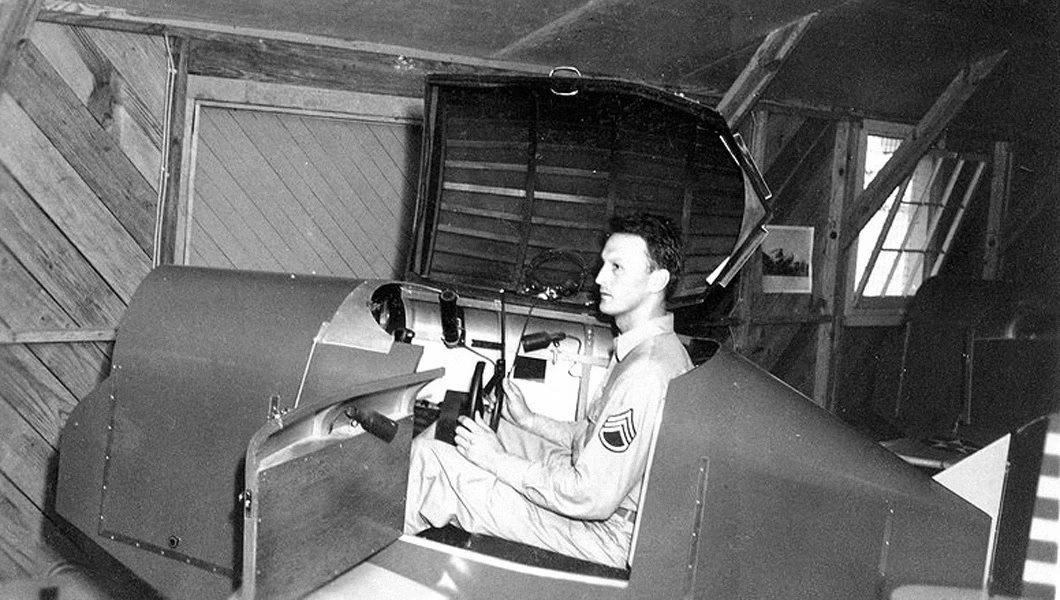
It took until 1934 for the Link Trainer to properly take off. It was due to a series of accidents in the U.S. Army Air Corps where pilots’ unfamiliarity with Instrument Flying Conditions caused them their lives. After Link demonstrated that flights in bad visibility are possible thanks to instrument flight, the first six trainers were ordered, enhancing pilot training efficiency. With flight simulator demand rising during the World War II, the Link Trainer became the standard equipment in every US flight school.
In with the new
The pilot training on flight simulators made their debut in 1937 when American Airlines became the first airline to order Link Trainer for their needs. However, it wasn’t until mid-1950s to 1960s that the beginnings of what we understand today as a full flight simulator started to take proper shape.