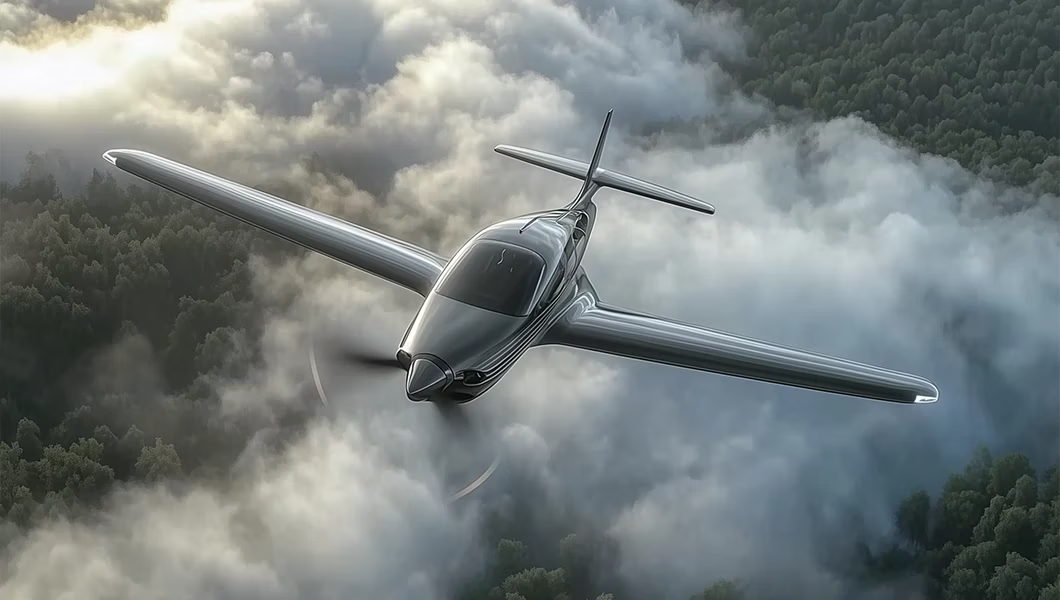
Some state that the fully-electric future is close: electric-powered aircraft like Slovenian Pipistrel Velis Electro has already been implemented as part of initial pilot training in Portugal, and regulatory bodies like EASA are paving the way for widespread adoption. But as we look to a cleaner, quieter future in commercial flight, one question looms large – how will pilot training evolve to meet the demands of this new era?
Substantial changes will be needed
The widespread introduction of electric aircraft in commercial aviation could potentially lead to lower operational costs and reduced environmental impact, which is crucial given the industry’s push for sustainability. However, it will also require substantial changes in infrastructure, regulations, and pilot training, explains Kenneth Mark Sorensen, Head of Training at BAA Training, a leader in aviation training solutions.
“Pilot training will need to adjust to the unique features that come with electric aircraft, like different flight controls, managing battery systems, and handling new types of emergencies. While the basic principles of flying won’t change, new training modules will definitely be needed to cover these aspects. We’ll likely see a mix of updates to the current curriculum along with some specialized programs. This will make sure that pilots are well-prepared to manage the specific challenges that come with flying electric aircraft.”

Sorensen sees the changes to be gradual – starting with niche markets, making it a niche training at the very beginning. This would allow for phased integration into training programs, and as electric-powered aircraft become more widespread, there will be a faster development of training practices. What will influence the timeline are factors like regulatory approvals and the pace of the aircraft adoption itself, Sorensen notes.